|
|
|
|
||
|
||
|
|
||
| SEARCH | SUBSCRIBE | ||
Some related articles :
|
 |
Serbs in Orahovax - "Prisoners" who depend on humanitarian help
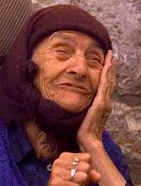
The convoy was followed by Dutch soldiers of KFOR from Zvecan - two lorries full of armed soldiers and four jeeps. In Orahovac, situated 500 meters around the orthodox church, where, in 1999 3,000 Serbs lived, now remains only 500 and they survive solely thanks to humanitarian help. The old Serbs, as well as the young who still attend primary or secondary school, live in three streets like prisoners and are surrounded by walls and an invisible boundary with part of the town where 20,000 Albanians live. Time for the Serbs in Orahovac has stopped. After the Dutch soldiers of KFOR came in June 1999, the terrorists of "The Kosovo Liberation Army" kidnapped 43 Serbs whose destiny is still uncertain. "In Orahovac where 3,000 Serbs, 20,000 Albanians and about 50 Gypsies lived, now live all but Serbs", said to Tanjug Nebojsa Vitosevic, who works in the Organization for Security and Co-operation in Europe (OSCE). Since the Albanians rule the town, Serbs have been left without telephones, and there are threats that water and electricity supplies will also be cut. Vitosevic says that a few months ago people from UNMIK came to charge Serbs for electricity and water, but they gave up after realizing that they lived like prisoners, without any incomes. "I asked for my telephone line to be reconnected because I need it for my job, and they wanted to charge me DM 200", he said. "The monthly installment would be DM 7, plus impulses. I gave up since I am in no position to pay." Sine June, Serbs have received no humanitarian help, except occassionally from the Yugoslav Red Cross and the French organization Aktid. Aktid is the only international organisation that takes care of Serbs in Orahovac and supplies them with food every other Wednesday. According to Vitosevic, Aktid brings fruit, vegetables, eggs, milk, cheese, and other articles for 600 people, which means for more than the population of Serbs, which Albanians often resent. After difficult talks with the World food programme which wanted to reduce supplies for only 25 Serbs in Orahovac, "we managed to convince them to give supplies for 300 people", says Blagoje Radic from the Red Cross. Leposava Vukic (78) lives with her son, daugher-in-law and grandchildren in the house where she has lived all her life. "We have eight children, three sons in Belgrade and a daughter in Staro Gracko, a village in Kosovo. I haven't seen her for five years", says the old lady in a sad voice. "We cannot leave and they cannot come here." What hurts them, as well as all Serbs in Kosovo, is the fact that they are forgotten. "Nobody from the new authorities has come once just to ask how we are", she said. The streets around the church are empty. In front of some houses there are old people playing chess. There is even a kid who curiously watches rare visitors and soldiers of KFOR. There are 50 totally empty Serb houses. From some yards brushwood can be seen, and vine with ripe grapes. "People from OSCE push us to register for the elections, they show us the document signed allegedly by the Serbian government which says they agree that we should be registered", says Vitosevic, adding that the opinion of the people is totally opposite. The only hope for the Serbs imprisoned in Orahovac is the bus line for Zvecan, which would be, as it was promised, organized once a week by UNMIK. Copyright
© 2002 Global Action on Aging
|